On The Divide: Lesson Plan
About This Lesson
What is Reproductive Justice?
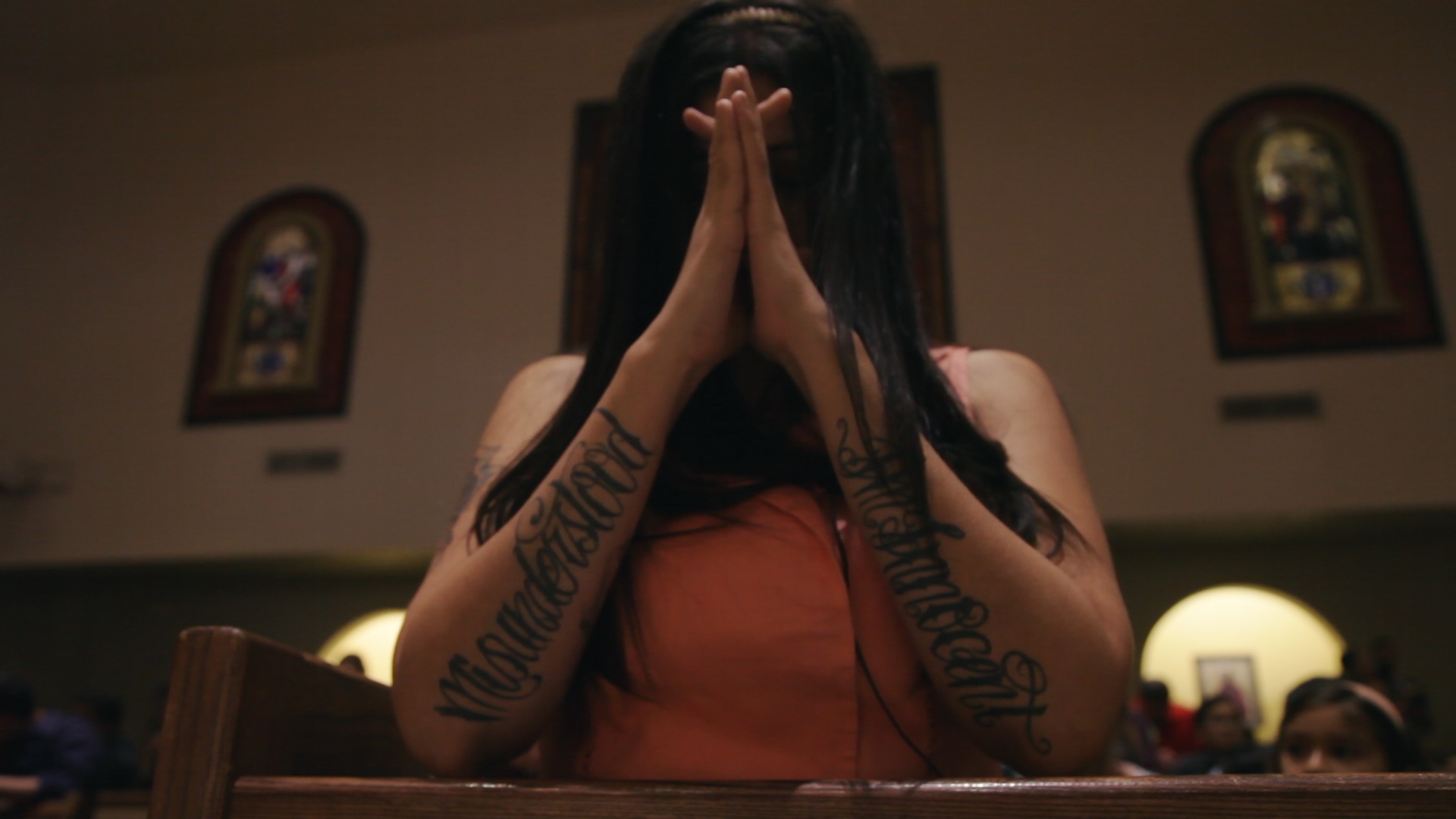
On The Divide takes a journey through three different walks of life surrounding the decades long argument: Are you “pro-choice” or “pro-life”? Filmmakers Maya Cueva and Leah Galant provide insight on how the topic of abortion impacts the lives of many people – beyond how we perceive the issue. This lesson plan was created by Cathy Torress – Organizing Manager of the Frontera Fund. The Frontera Fund’s Mission is: “To make abortion accessible in the Rio Grande Valley by providing financial and practical support regardless of immigration status, gender identity, ability, sexual orientation, race, class, age, or religious affiliation and to build grassroots organizing power at intersecting issues across our region to shift the culture of shame and stigma.”
This lesson explains the realities of the need for accessible abortion care and how the pro-life movement has used various strategies to enforce opposition to abortion, primarily through the development of crisis pregnancy centers.
With the guidance of clips from On The Divide, the lesson lays out the different ways that restrictions to reproductive healthcare greatly impact our communities. Students will learn that access to abortion care goes beyond being “pro-choice” vs. “pro-life”. The lesson encourages students to see access to abortion through a reproductive justice lens.
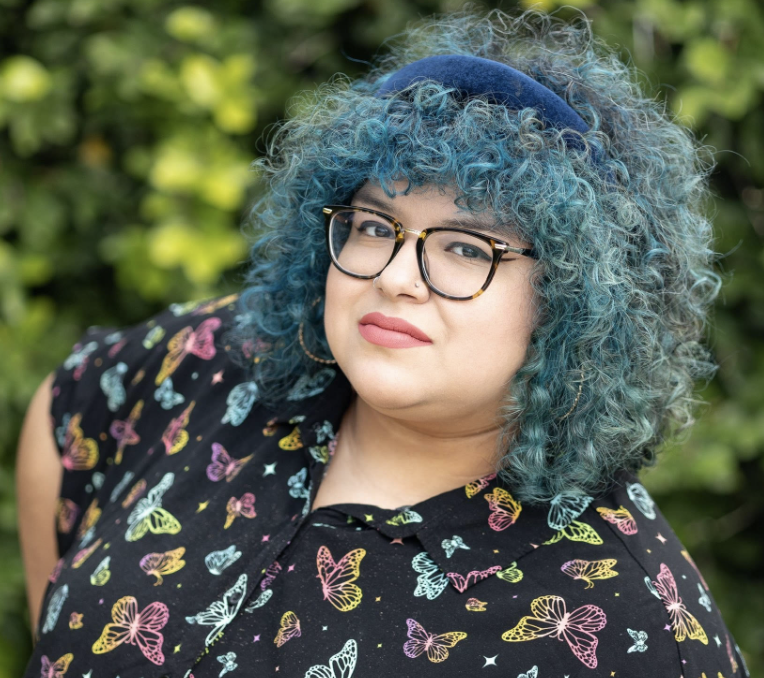
A Note from Curriculum Creator, Cathryn Torres
In 2014, when I started college, I was introduced to different progressive issues and social justice movements, including the abortion rights movement. I’ve always supported abortion access, in fact, when I was a teenager, I naively thought being “pro-choice” was a no-brainer and that there wasn’t even an opposition. It was when I learned about abortion restrictions and saw how they impacted people very close to me that I felt compelled to do something about it. Since then I committed to learning more and more about abortion access and dug even further into the reproductive justice movement.
This film highlights the work that activists like South Texans for Reproductive Justice have done to work towards achieving RJ in border communities. From defending the clinic from protesters, to telling pro-life politicians like it is, this is the grassroots work that builds the foundation for our moment. The activists involved with South Texans for Reproductive Justice are some of my closest friends and I am proud to be co-conspirators with them fighting back against harmful abortion restrictions.
Today, Texans are facing the most hostile abortion restrictions in the country, but we are doing everything we can to organize against these laws and ensure abortion is accessible to everyone in our community. While we remain resilient in this constant battle to keep abortion legal, we must understand the foundation of why abortion should be accessible and how it impacts each person’s experience through life. This lesson provides a framework for an introduction to reproductive justice and why we must view access to abortion through an intersectional lens.
Sources
Authored by: