
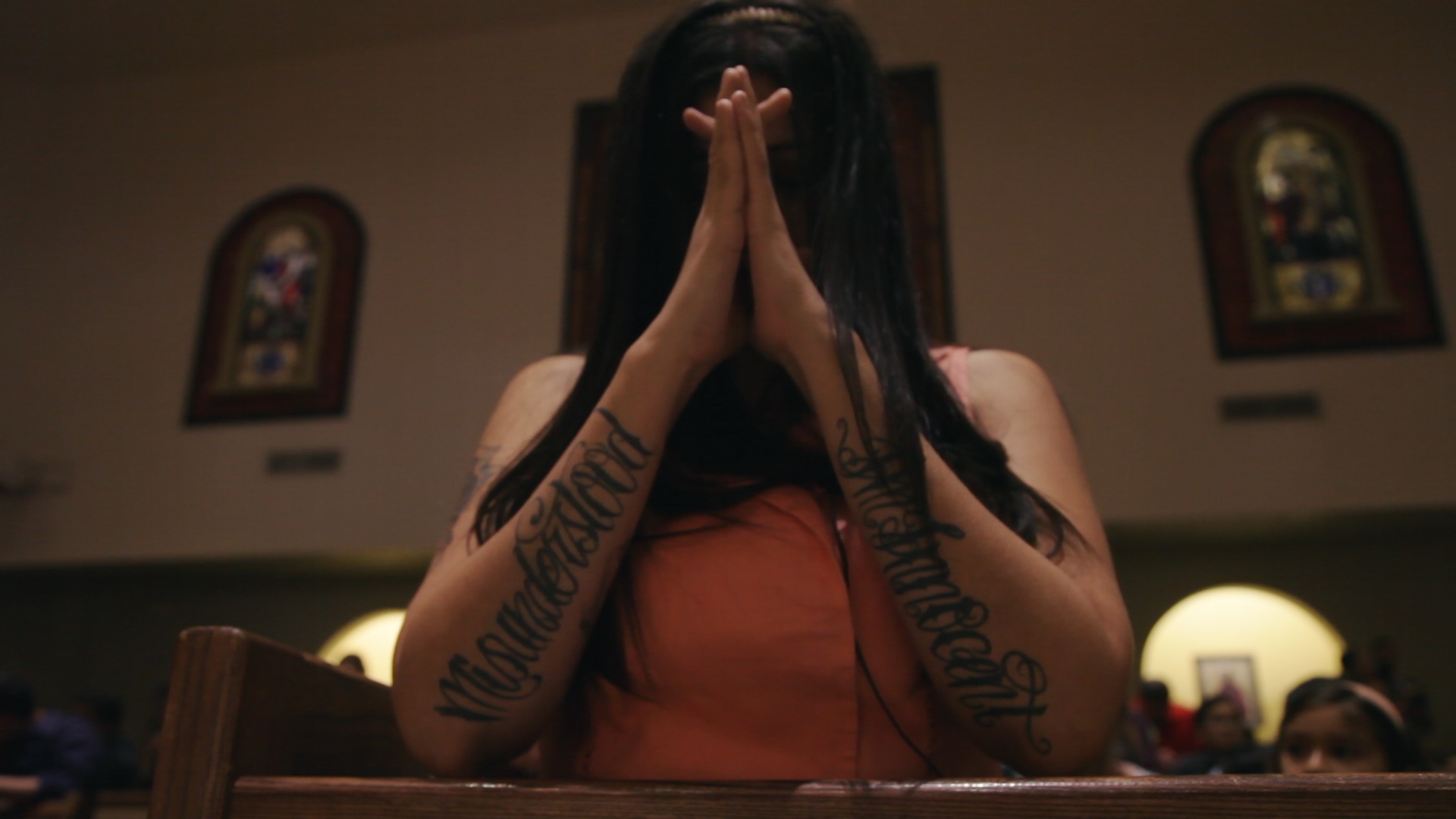
On The Divide: Lesson Plan
What is Reproductive Justice?
On The Divide takes a journey through three different walks of life surrounding the decades long argument: Are you “pro-choice” or “pro-life”? Filmmakers Maya Cueva and Leah Galant provide insight on how the topic of abortion impacts the lives of many people – beyond how we perceive the issue. This lesson plan was created by Cathy Torress – Organizing Manager of the Frontera Fund. The Frontera Fund’s Mission is: “To make abortion accessible in the Rio Grande Valley by providing financial and practical support regardless of immigration status, gender identity, ability, sexual orientation, race, class, age, or religious affiliation and to build grassroots organizing power at intersecting issues across our region to shift the culture of shame and stigma.”
This lesson explains the realities of the need for accessible abortion care and how the pro-life movement has used various strategies to enforce opposition to abortion, primarily through the development of crisis pregnancy centers.
With the guidance of clips from On The Divide, the lesson lays out the different ways that restrictions to reproductive healthcare greatly impact our communities. Students will learn that access to abortion care goes beyond being “pro-choice” vs. “pro-life”. The lesson encourages students to see access to abortion through a reproductive justice lens.
A Note from Curriculum Creator, Cathryn Torres
In 2014, when I started college, I was introduced to different progressive issues and social justice movements, including the abortion rights movement. I’ve always supported abortion access, in fact, when I was a teenager, I naively thought being “pro-choice” was a no-brainer and that there wasn’t even an opposition. It was when I learned about abortion restrictions and saw how they impacted people very close to me that I felt compelled to do something about it. Since then I committed to learning more and more about abortion access and dug even further into the reproductive justice movement.
This film highlights the work that activists like South Texans for Reproductive Justice have done to work towards achieving RJ in border communities. From defending the clinic from protesters, to telling pro-life politicians like it is, this is the grassroots work that builds the foundation for our moment. The activists involved with South Texans for Reproductive Justice are some of my closest friends and I am proud to be co-conspirators with them fighting back against harmful abortion restrictions.
Today, Texans are facing the most hostile abortion restrictions in the country, but we are doing everything we can to organize against these laws and ensure abortion is accessible to everyone in our community. While we remain resilient in this constant battle to keep abortion legal, we must understand the foundation of why abortion should be accessible and how it impacts each person’s experience through life. This lesson provides a framework for an introduction to reproductive justice and why we must view access to abortion through an intersectional lens.
.jpg)
Unapologetic: Lesson Plan
An Introduction to Radical Black Women-Led Activism
For far too long, Black women’s significant contributions to movements for racial justice in America have been overshadowed and undervalued. The 2020 documentary Unapologetic gives Black women leaders within the ongoing Movement for Black Lives their flowers now while they can still smell them. Directed by Ashley O’Shay and produced by Morgan E. Johnson– two Black women– the film follows two young Chicago-based activists, Janae and Bella, as they fight for justice for the police murders of Rekia Boyd and Laquan McDonald.
Using clips from Unapologetic, this lesson provides a framework for viewing radical Black women’s activism in Chicago today as part of a continuum. Students will learn that there is no Janae and Bella without foremothers like Ida B. Wells-Barnett and Margaret Burrroughs. The lesson encourages students to think about how the past has shaped the present and how the present will shape the future.
A Note from Curriculum Creator Bella BAHHS
I came into Black womanhood during the first wave of the ongoing Movement for Black Lives and joined other young Black women on the frontlines of direct action protests– with the intention of disrupting, challenging and changing the conditions that have rendered our experiences of (and resistance to) racially gendered violence inconsequential and erasable. I created this lesson plan for the same reason that I agreed to be filmed for Unapologetic: to amplify Black women’s leadership and creative and professional contributions to historic Black liberation movements.
The film is so much bigger than me, Janae, Ashley and Morgan. We are all part of a growing collective of Black women who are seeking and becoming examples for what it means to be Black and woman and decompartmentalized, and we do not exist within an ahistorical vacuum. We build upon the legacies of the Black women who dared to engage in radical activism during the movement to abolish slavery, the Reconstruction Era, the Progressive Era, the Women’s Suffrage Movement, the CIvil Rights Movement and the Black Power Movement. Their movements enabled ours.
Our movement popularized the use of hashtags, social media campaigns, interstate takeovers and mutual aid as tools for political education and political defiance. We made defunding police departments a nationwide call to action, and we made police and prison abolition a part of public discourse– all while amplifying the need for intersectional policy analysis and development. What we’ve contributed to this temporal moment is undeniable and has already begun to change the future of this nation.
But we could not have been empowered to lead if we had not learned whom to follow. This lesson plan grounds our work in its relationality to the work of the movement women who paved the way for us to be unapologetic.

North By Current: Lesson Plan
Memory Work: Creative Writing and Re-assembling ourselves through Story
In North By Current, we encounter a teacher in the form of a child’s voice. This child’s wisdom leads us to consider the way that: “Memory must be created against an abundance of information. But also against an absence. It has to be constructed. You assemble the fractures, arrange the incidents, to build a story.” For every story we choose to tell there are hundreds that we don’t, and the ties that connect our past and the future selves are entanglements of narratives that give texture and meaning to our lives. Creative writing is one approach to tapping into memory and imagination as sibling forces in processes of meaning-making and storytelling. This work allows writers to put pieces of a past together towards a future vision of possibility.
In this lesson students will engage in “memory work” through practices of creative writing and revision. They will move through stages of the writing process, understand key components of the craft, study models of literature that serve as examples of these genres, and support one another through collaborative revision processes that encourage re-vision, trust, and confidence in their own voices and narrative points of view.
A Note to Teachers
In this lesson you will be asking students to do “memory work” as they construct a story or poem that stems from personal experiences with one another, to workshop, revise, and offer feedback. Before doing this you need to be sure you’ve established a community of care within your classroom and that you remind students that what they will be writing will be shared with one another. This allows students to use their own discretion about what memories they will call forth into the work of creative nonfiction.
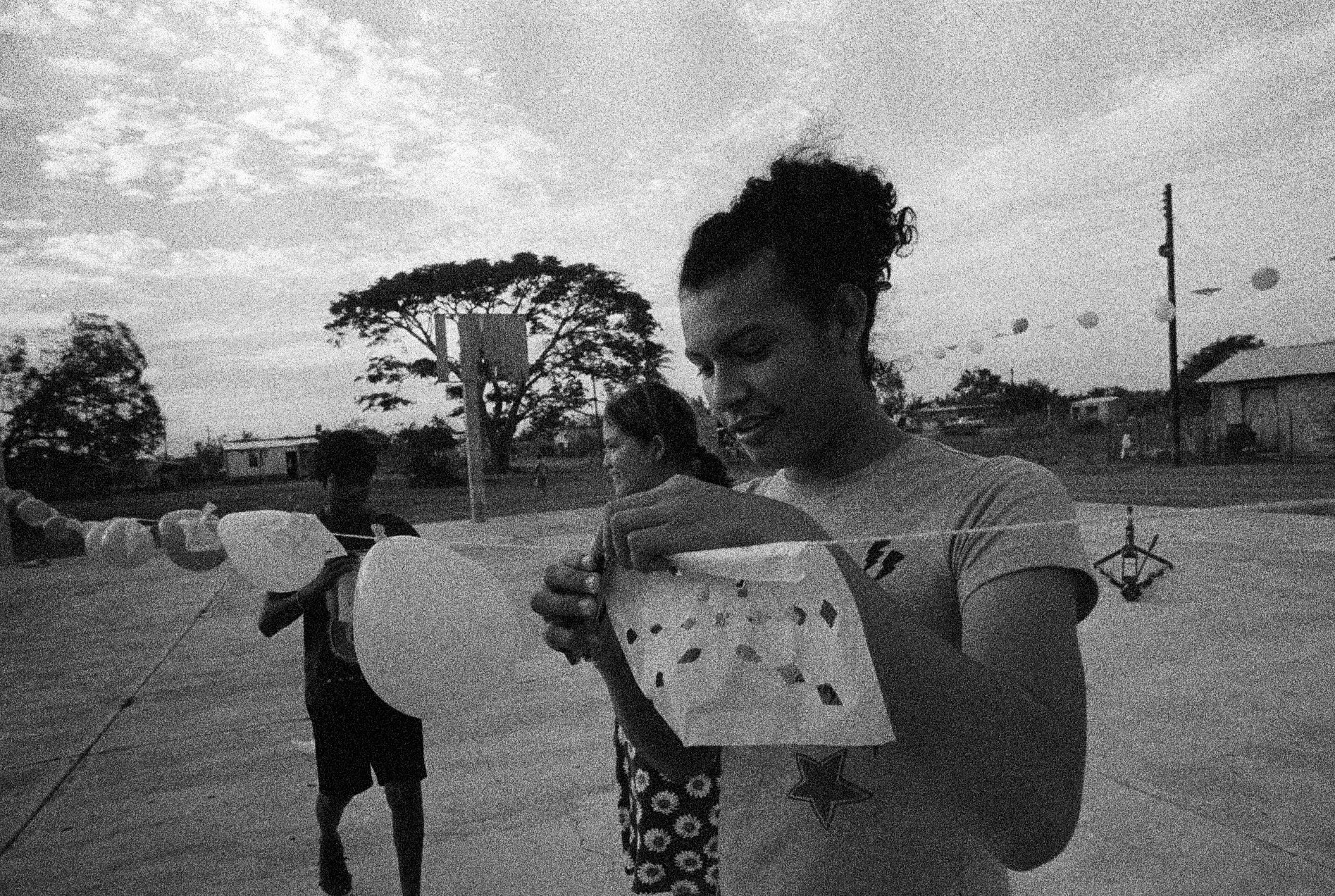
Things We Dare Not Do: Lesson Plan
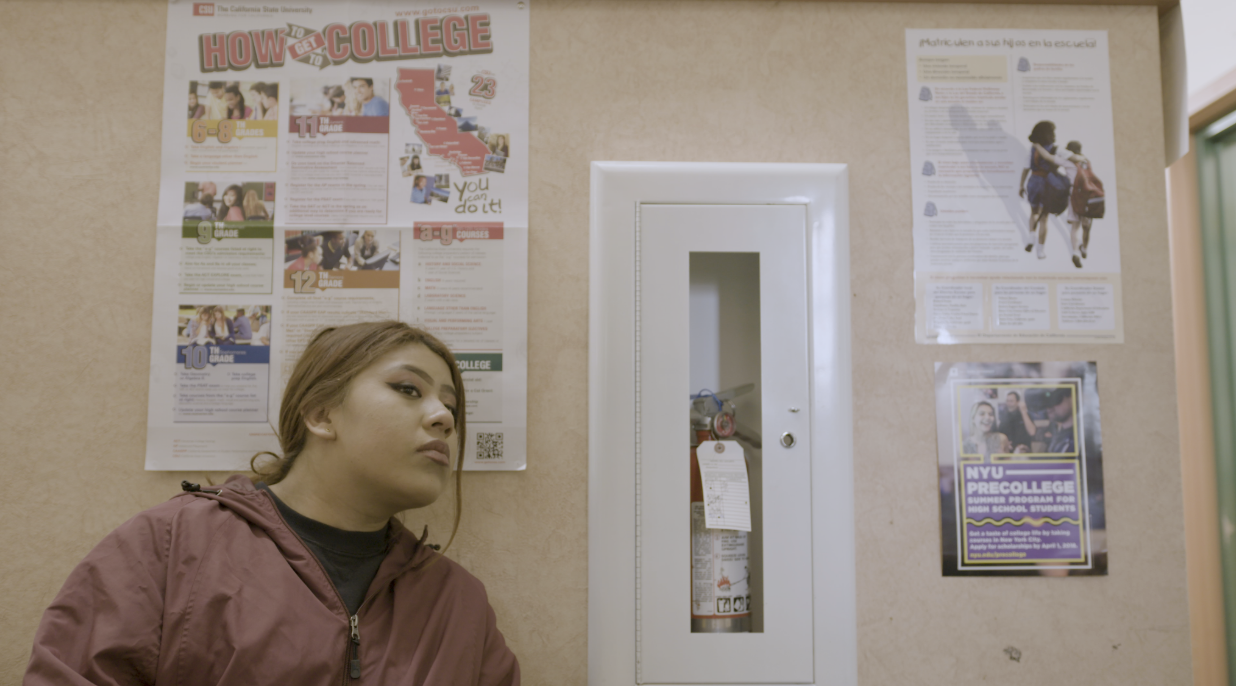
Fruits of Labor: Lesson Plan
Shining a Light on Invisible Labor
Emily Cohen Ibañez’ Fruits of Labor is the portrait of Mexican-American teenager Ashley Solis, who lives in the agricultural town of Frescaville California. She spends her days either at school or working in the strawberry fields and her nights sorting frozen strawberries at a processing plant. All the while, Ashley does her best to maintain a social life, attend school, and enjoy her teenage years. As if the stress of her intense routine isn’t enough, the possibility of an ICE raid that could send her mother back to Mexico looms over her. This lesson provides insight into the world of child agricultural workers and brings awareness to the kinds of invisible labor that exist within both the paid agricultural sector and the unpaid labor performed at home.
In this lesson, students will do group research on one of three topics related to the film. They will work in small groups to make connections between the film and their research and create a mini presentation on their findings. After students present, they will then engage in thoughtful discussion and feedback from their fellow classmates. This lesson can be modified to be longer and more in depth by having the students do additional research or shortened by giving students direct information rather than having them collect and paraphrase information from the materials given.
A Note from Curriculum Creator, Celia Portman
It is my belief that every teacher should endeavor to know the students they teach, celebrate diversity, and invite honesty and vulnerability into the classroom. Part of this work means giving exposure to the diversity of each student body. As Plato once said, “the highest form of knowledge is empathy,” but in order to have empathy we must be allowed into another’s world. As a teacher in the lower half of Texas, I am no stranger to teaching students who work in the field of agriculture, but it has become clear to me as of late that not everyone is aware of how these students spend their days and nights. I believe this film and lesson call attention to important subject matter, allow students to take a deep dive into a world they may not be familiar with, and potentially, through their work, foster understanding and compassion.
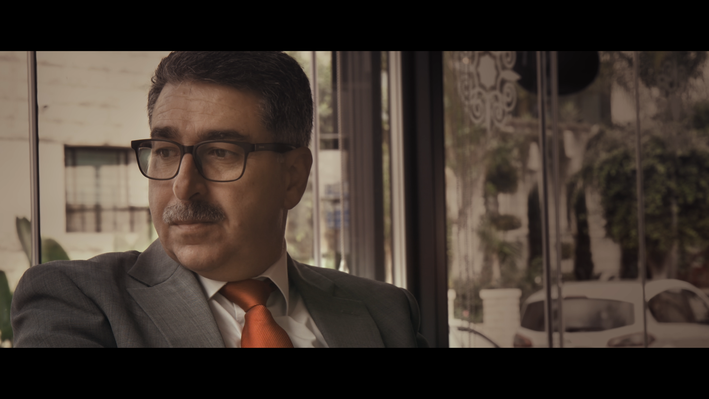
Mayor: Lesson Plan
A Lesson on Palestinian Culture & Resistance
“Make space for joy until we get freedom and independence.”
Mayor Musa tells the crowd gathered in the city of Ramallah to watch the lighting of the Christmas tree. These words standout amidst the backdrop of resistance and violence as Palestinians from Ramallah push back against the occupation of their land and the annexation of Jerusalem as Israel’s capital. Thus the crux of David Osit’s film highlights and decimates a variety of juxtapositions created by Western media. Palestinians are shown as multifaceted full beings within a modern city. Yet, the occupation still looms large and soon enough, though we think we’re watching a film about how difficult it is to be a civil servant, what we get is so much more. The film maker beautifully captures how hard it is for Mayor Musa to run a city while under occupation. More importantly, the viewer comes to understand that though Palestinians must and do resist, there’s also a place for joy and hope. And perhaps, it’s actually that joy and hope that keeps them going another day. This lesson will help students develop an understanding of the history of Palestine, its culture, and religions through critical analysis of the occupation from the view of the Mayor of Ramallah and its people.
In these series of lessons, students learn new vocabulary terms relating to Israeli occupation of Palestine. They’re asked to build upon prior knowledge of the occupation of Palestine utilizing a K-W-L chart. In addition, they will engage in various methods of learning like Venn Diagrams as they compare and contrast Christmas lighting events in Palestine and the U.S. as well as Palestinian and Black Lives Matter protests. Throughout the lessons, there is robust space for student voice as they grapple with in-text and higher order thinking questions. Students will also participate in a debate around the issue of resistance and what it looks like. Learning will be tracked with the use of pre and post knowledge checks utilizing google forms. The lessons can be easily modified and adapted depending on your student needs. However, the use of multimodal activities within these lessons addresses some of the learning challenges that some students may face. Students should walk away from this lesson with a more nuanced view of the occupation of Palestine while building analysis, comprehension, and debate skills.
A Note from Curriculum Creator, Keziah Ridgeway
I would describe myself as an Abolitionist Educator. This term was coined by Dr. Bettina Love in the book “We Want to Do More Than Survive: Abolitionist Teaching and the Pursuit of Educational Freedom”. An abolitionist educator teaches from a decolonized lens while providing students with multiple ways to access learning. An abolitionist educator also doesn’t shy away from topics that many people are afraid to touch just because it’s a sensitive matter. I believe that learning history is supposed to make us all uncomfortable. It’s in that discomfort that we find new ways to move forward, find solutions and heal. With this outlook, I felt compelled to create this lesson for the documentary as a way to help teachers provide a different view of the occupation of Palestine. Many times, Palestinians are viewed as either victims or extremists and I wanted this lesson, like the film itself, to spotlight their multifaceted identity and humanity. This film will touch on several issues around resistance, protest, local governance and the Palestinian identity.
A Note to Teachers
Teaching about Palestine from a Palestinian lens can be a very controversial thing to do in many schools. However, all students should have the opportunity to see themselves in their classrooms and have their humanity recognized. The vocabulary utilized within this lesson was chosen for a specific reason but many non-Palestinians may take issue with it. Teachers should utilize their discretion when deciding if these lessons are suitable for their classroom. It might also be a great idea to share the lessons with administrators

Not Going Quietly: Lesson Plan
Not Going Quietly exposes some of the gaps in today’s health care system. We see a group of advocates attempt to challenge elected officials and the status que through the eyes of activist Ady Barkan. Viewers are given an often very intimate perspective on how health care policies impact the lives of all people and what it takes to fight for the changes that are necessary to meet the health care needs of so many Americans. At the same time, we are able to see the dignity, character and strength of a man when he receives a devastating diagnosis and witness the power of love between Ady and his equally strong and committed wife Rachel King and their son Carl, and daughter Willow.

The Song Of The Butterflies: Lesson Plan
Reclaiming Historical Narratives through Collective Memory and Indigenous Knowledge
The Song of the Butterflies, directed by Núria Frigola, follows the story of, Rember Yahuarcani, an Indigenous painter from the White Heron clan of the Huitoto Nation in Peru. He left his family home in the Amazonian community of Pebas to pursue a successful career as an artist in the city of Lima. But, when he finds himself struggling to find inspiration, he returns home to seek guidance from his father, a painter, his mother, a sculptor, and the spirit of his beloved grandmother whose stories helped shape him as an artist. He soon finds himself on a journey to reconnect with his ancestors, their culture and the complex, beautiful, and at times, tragic history of his community. Through his journey, Rember reckons with the horrors of the rubber boom era that devastated his homeland and the atrocities of the rubber barons who slaughtered more than 100,000 indigenous people – a trauma that resonates through the Huitoto community a century later. He also reconnects with the stories, songs, rituals, dreams, and art of his community and is reminded of the power of culture to recall, reclaim, and bear witness to the past and his role in preserving and translating their collective memory in their own cultural language for future generations.
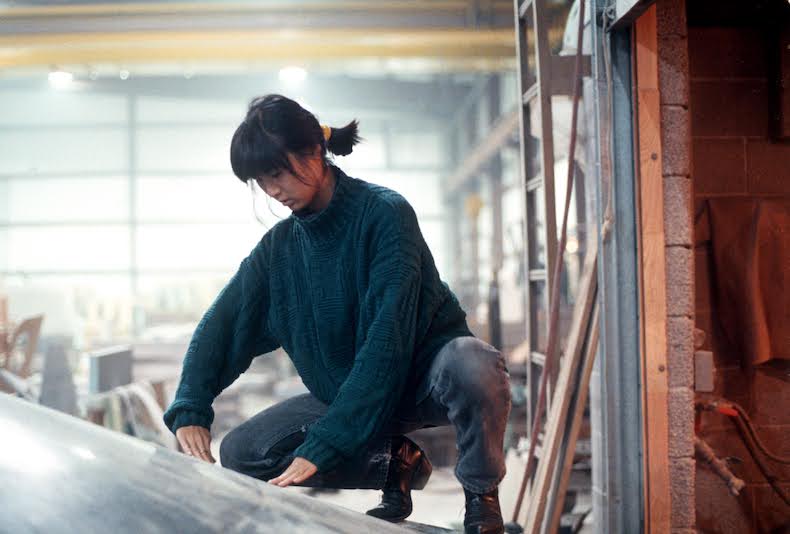
Maya Lin: Discussion Guide
This guide is an invitation to dialogue. It is based on a belief in thepower of human connection and is designed for people who wantto use Maya Lin: A Strong Clear Vision to engage family, friends,classmates, colleagues, and communities. In contrast to initiativesthat foster debates in which participants try to convince others thatthey are right, this document envisions conversations undertaken ina spirit of openness in which people try to understand one anotherand expand their thinking by sharing viewpoints and listeningactively.
The discussion prompts are intentionally crafted to help a widerange of audiences think more deeply about the issues in the film.Rather than attempting to address them all, choose one or twothat best meet your needs and interests. Be sure to leave time toconsider taking action. Planning next steps can help people leavethe room feeling energized and optimistic, even in instances whenconversations have been difficult.
For more detailed event planning and facilitation tips, visit https://communitynetwork.amdoc.org/.

Chasing Time: Discussion Guide
This guide is an invitation to dialogue. It is based on a belief in the power of human connection and designed for people who want to use Chasing Time to engage family, friends, classmates, colleagues, and communities. In contrast to initiatives that foster debates in which participants try to convince others that they are, right, this document envisions conversations undertaken in a spirit of openness in which people try to understand one another and expand their thinking by sharing viewpoints and listening actively.
The discussion prompts are intentionally crafted to help a wide range of audiences think more deeply about the issues in the film. Rather than attempting to address them all, choose one or two that best meet your needs and interests. And be sure to leave time to consider taking action. Planning next steps can help people leave
the room feeling energized and optimistic, even in instances when conversations have been difficult.
For more detailed event planning and facilitation tips, visit https://communitynetwork.amdoc.org/.

Emergent City: Discussion Guide
This guide is an invitation to dialogue. It is based on a belief inthe power of human connection and is designed for people whowant to use Emergent City to engage family, friends, classmates,colleagues, and communities. In contrast to initiatives that fosterdebates in which participants try to convince others that they areright, this document envisions conversations undertaken in a spiritof openness in which people try to understand one another andexpand their thinking by sharing viewpoints and listening actively.
The discussion prompts are intentionally crafted to help a widerange of audiences think more deeply about the issues in the film.Rather than attempting to address them all, choose one or twothat best meet your needs and interests. Be sure to leave time toconsider taking action. Planning next steps can help people leavethe room feeling energized and optimistic, even in instances whenconversations have been difficult.
For more detailed event planning and facilitation tips, visit https://communitynetwork.amdoc.org/.
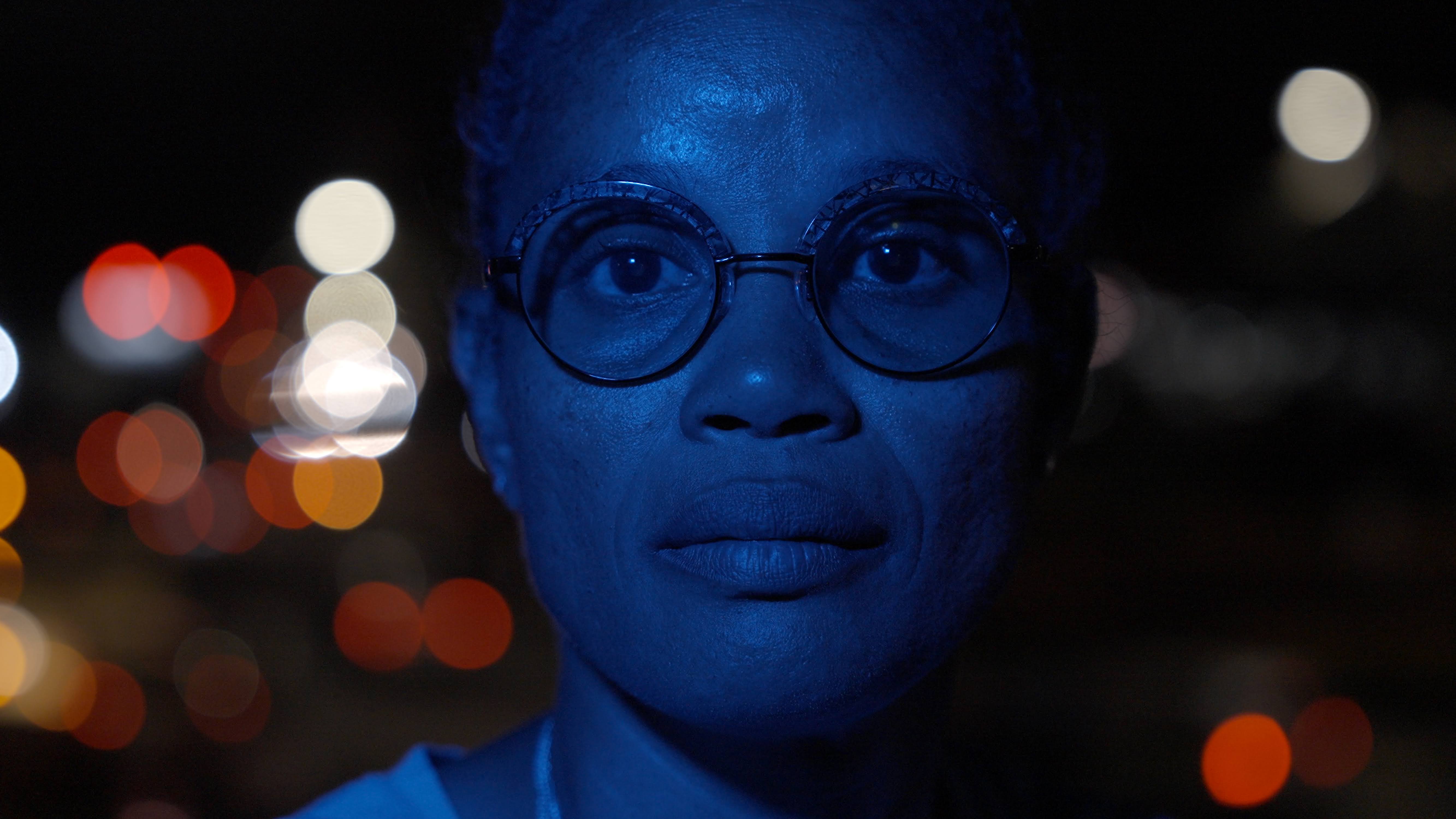
A Mother Apart: Discussion Guide
This guide is an invitation to dialogue. It is based on a belief in the power of human connection and is designed for people who want to use A Mother Apart to engage family, friends, classmates, colleagues, and communities. In contrast to initiatives that foster debates in which participants try to convince others that they are right, this document envisions conversations undertaken in a spirit of openness—spaces where people listen deeply, share personal stories, and seek to understand one another.
The guide encourages critical reflection, embodied engagement, and personal storytelling as ways to connect lived experience with the film’s themes. It also aims to facilitate what media literacy educators call “deep listening” and “deep viewing”—approaches that slow down perception and invite participants to attend more closely to what they see, hear, and feel, both within themselves and in community.
The discussion prompts are intentionally crafted to help a wide range of audiences think more deeply about the issues raised in the film. Rather than attempting to address them all, choose one or two that best meet your needs and interests. Be sure to leave time to consider taking action. Planning next steps—whether through family or community-facing initiatives or moments of radically honest introspection—can help people leave the room feeling energized and optimistic, even when conversations have been challenging. For more detailed event planning and facilitation tips, visit https://communitynetwork.amdoc.org/.