POV Chronicles the Reinvention of a Historic Library and the Community That Reclaimed It in How to Build a Library
Press Release
Premieres Monday, August 24, 2026 on PBS Television Nationwide and Streaming on PBS.org and the PBS App Until October 24, 2026
Trailer • Download Press Photos • #HowToBuildALibraryPBS
Brooklyn, N.Y. — August 6, 2026 — POV, the multi-Emmy® Award-winning independent nonfiction film series, presents How to Build a Library, directed and produced by Nairobi based filmmakers Maia Lekow and Christopher King, and executive produced by Oscar® Award winner Roger Ross Williams and Geoff Martz. Filmed over six years starting in 2017, the documentary chronicles two visionary Kenyan women as they transform Nairobi's historic McMillan Memorial Library—once reserved exclusively for white patrons during British colonial rule—into a vibrant cultural hub for the city it serves today. As they navigate political resistance, fundraising challenges, and competing visions for the library's future, their journey reveals both the complexities and the possibilities of reimagining a public institution for a new generation. In the process, the documentary explores a post-colonial identity crisis through the eyes of Kenya’s millennial generation, raising universal questions about history, ownership, and belonging.
Praised by Sara Clements of Next Best Picture as a film that “shows how deeply a culture can be shaped by the stories it tells—and how powerful it is to rewrite them," “How to Build a Library’ will make its national broadcast premiere on POV on PBS Television nationwide Monday, August 24, 2026, at 10:00pm/9C (check local listings), and will be available to stream until October 24, 2026. For nearly four decades, POV has been America's longest-running nonfiction series, and a home for independent documentaries bringing award-winning stories that challenge assumptions, deepen understanding and inspire meaningful conversation.
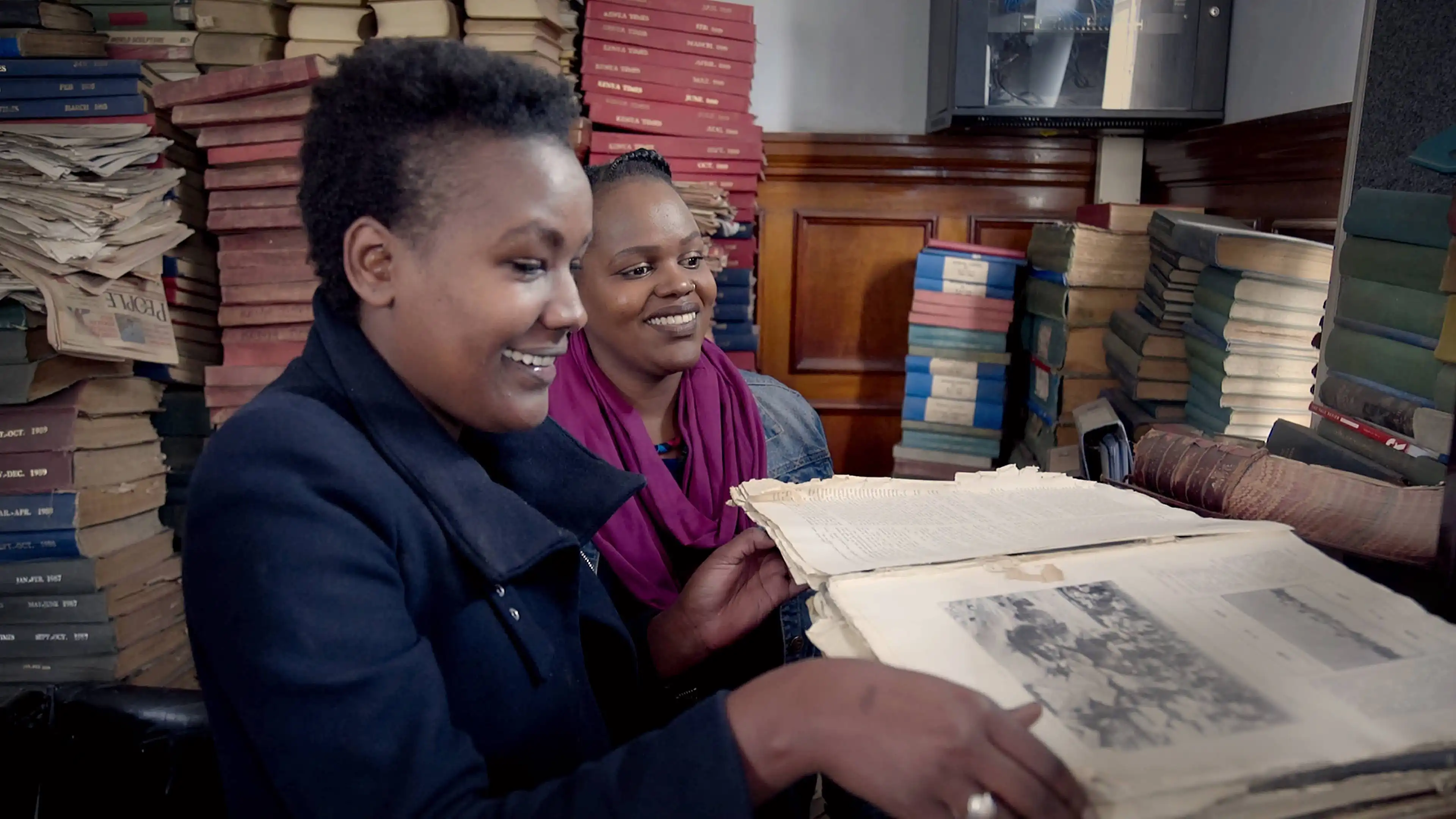
In 2017, novelist Shiro Koinange and publisher Angela Wachuka, left their careers to restore a dilapidated colonial-era library in the heart of downtown Nairobi. After successfully lobbying city officials to take over management of the neglected, state-owned building they found themselves with little experience, limited resources and a mammoth task ahead. Armed with an unwavering belief in the power of books, an instinct for rallying support through creativity, style and social media, they assemble a coalition of artists, architects, technologists and civic leaders to reimagine the space as a vibrant center for learning and culture. They called it Book Bunk.
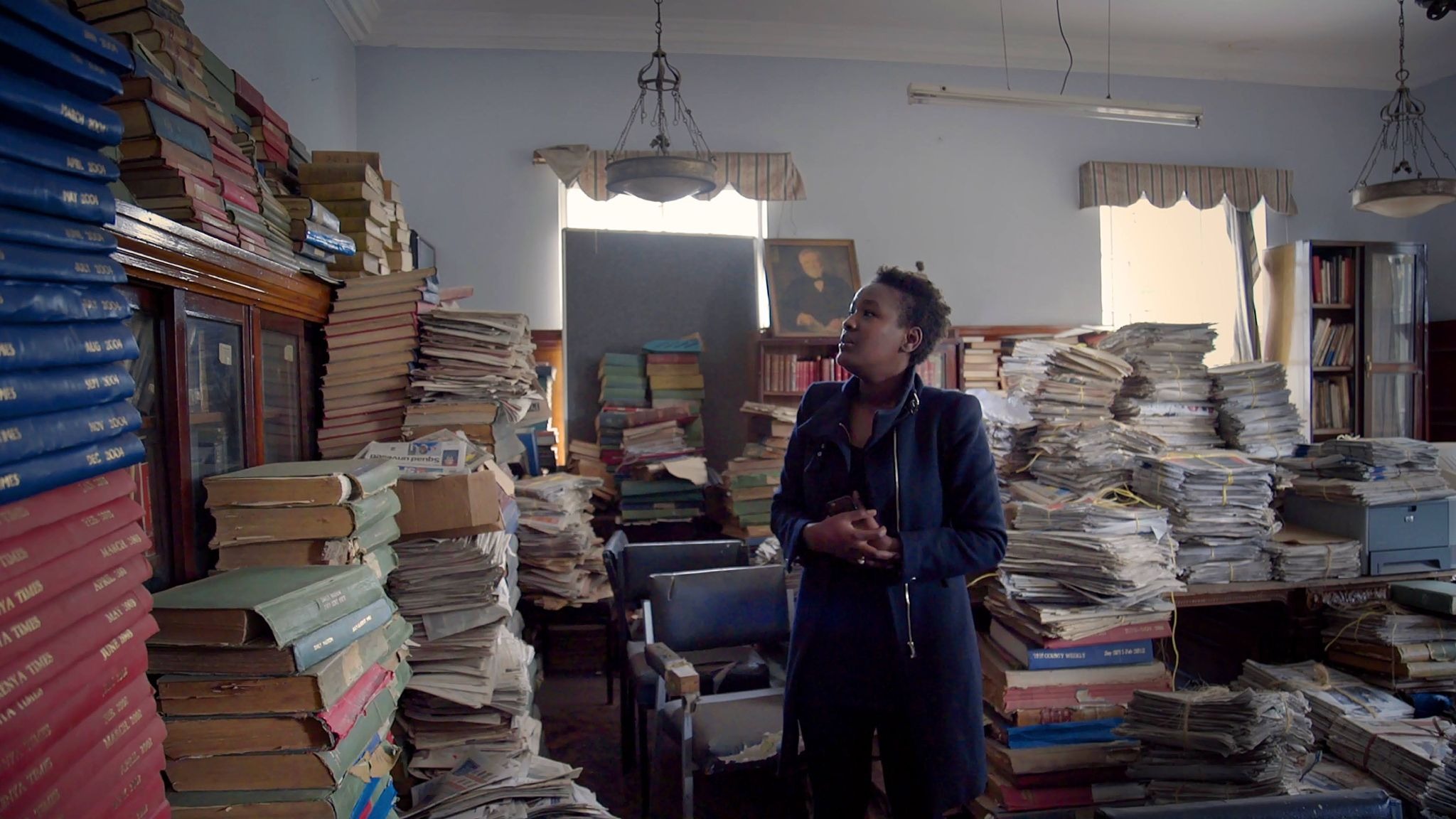
While restoring the neo-classical building required years of fundraising, planning and construction, reclaiming its meaning proved an even greater challenge. Built in 1931 for the exclusive use of Nairobi's white population, the library remained a symbol of exclusion long after Kenya gained independence in the 1960s. As the Book Bunk team sift through decades of dust and clutter, they uncover thousands of forgotten books, paintings, and photographs; remnants of a past that feels both distant, yet eerily familiar. They confront a larger question: How can a place shaped by history become a space that belongs to everyone?
For Lekow and King, who have lived and worked together in Nairobi for more than 16 years, the McMillan Memorial Library became a lens through which to tell a larger story about Kenya, its past, and the people working to shape its future. While the library's colonial history provides important context, How to Build a Library is ultimately a film about possibility. Rather than dwelling on colonialism as the defining narrative, the documentary asks what comes after acknowledging the past, and how awareness can become action as communities reimagine the spaces and institutions that serve them.
Directors Maia Lekow & Christopher King, said:
"How to Build a Library is a cinematic love letter to our city, Nairobi—to two remarkable women, the library’s staff and users, and the books on its shelves. It is also for anyone, anywhere, who has ever looked at something broken and imagined something better. We began making a story about two women fixing a building, but after 8 years it became a story about what it takes to hold your vision together when almost everything is designed to make you give up. We realised early on that Shiro and Wachuka's work offers a blueprint for communities all over the world tackling inequality, reclaiming their institutions and building a world they want, not simply accepting the one they’ve inherited."
Chris White, Executive Producer of POV and American Documentary, said: “Maia Lekow and Christopher King have captured a moment of transformation that extends beyond the walls of a single library” said “By documenting one community's effort to reimagine a public institution, How to Build a Library offers a thoughtful perspective on how history informs the choices societies make about their future.”
How to Build a Library made its world premiere at the Sundance Film Festival (2025) where it was a Grand Jury Prize nominee. It won the Golden Alexander (Dimitri Eipides) Award for Newcomers at the Thessaloniki International Documentary Festival (2025), the Special Jury Award for Documentary Feature at the San Francisco International Film Festival (2025), the Amnesty International Award at the Human Rights Film Festival Lugano (2025), Best Documentary at Jackson Doc Fest (2025), and a Special Jury Mention for Feature Documentary Competition at the El Gouna Film Festival (2025). It was an Official Selection at Sheffield DocFest (2025), IDFA (2025), Sydney Film Festival (2025), and True/False Film Festival (2025).
How to Build a Library is a Circle & Square Productions and One Story Up co-production in association with The Godmother LLC, and American Documentary ⎸ POV. Maia Lekow & Christopher King are the co-directors and co-producers. Christopher King, Wambui Muigai, Ronald Ronics, Nyasha Kadandara, Timothy Mwaura, Michael Onyiego, Amit Ramrakha, Peter Gitonga are the cinematographers. Christopher King, Ricardo Acosta C.C.E., Maia Lekow and Michael Onyiego are the editors. Maya Daisy Hawke is the supervising editor. Katya Mihailova, Maia Lekow, Ken Myhr, and Daniel Hoffknecht are the composers.
The executive producers are Roger Ross Williams, Geoff Martz, Judy Kibinge, D.D. Wigley, Geralyn Dreyfous, and Erika Dilday and Chris White for American Documentary | POV.
Credits
Directors: Maia Lekow, Christopher King
Producers: Maia Lekow, Christopher King
Participants/Cast: Shiro Koinange, Angela Wachuka, Jacob Ananda
Cinematographers: Christopher King, Wambui Muigai, Ronald Ronics, Nyasha Kadandara, Timothy Mwaura, Michael Onyiego, Amit Ramrakha, Peter Gitonga
Editors: Christopher King, Ricardo Acosta C.C.E., Maia Lekow, Michael Onyiego
Supervising Editor: Maya Daisy Hawke
Composers: Katya Mihailova, Maia Lekow, Ken Myhr, Daniel Hoffknecht
Executive Producers: Roger Ross Williams, Geoff Martz, Judy Kibinge, D.D. Wigley, Geralyn Dreyfous, Erika Dilday, Chris White
Country: Kenya
Languages: English, Swahili
Year: 2025
How to Build a Library will be available for streaming concurrently with broadcast on all station-branded PBS platforms, including PBS.org and the PBS Video App, available on iOS, Android, Roku streaming devices, Apple TV, Android TV, Amazon Fire TV, Samsung Smart TV, Chromecast and VIZIO. PBS station members can view many series, documentaries and specials via PBS Passport. For more information about PBS Passport, visit the PBS Passport FAQ website. In addition to standard closed captioning for the film, POV, in partnership with audio description service DiCapta, provides real-time audio interpretations for audiences with sensory disabilities.
About the Filmmakers
Maia Lekow, Director, Producer, Editor, How to Build a Library
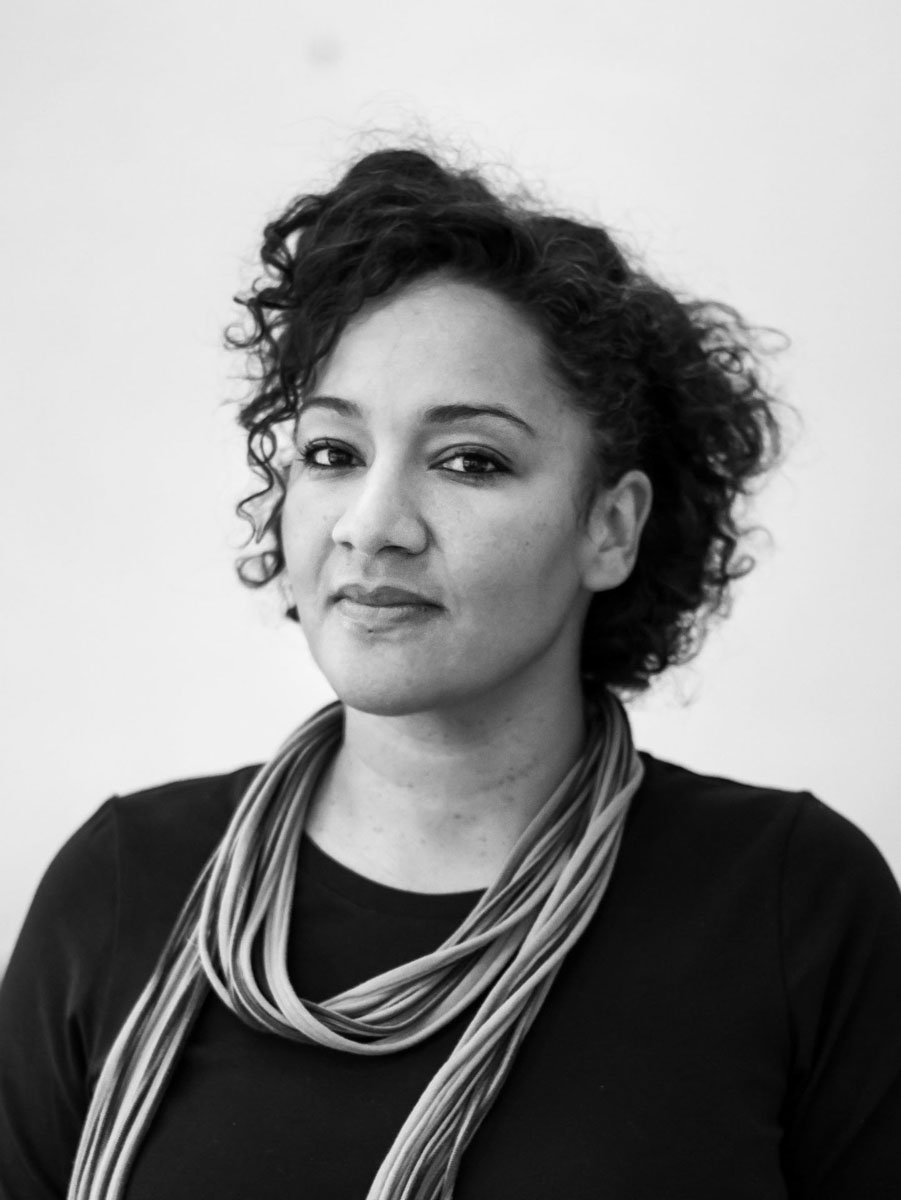
Maia Lekow is an award-winning Kenyan director, producer, composer, sound recordist, and touring musician whose multidisciplinary approach fosters intimate and emotionally resonant storytelling. Working together with husband and creative partner Christopher King, the duo tell deeply personal, multi-layered stories exploring identity, culture, resilience, and powerful female protagonists. Their first feature documentary, The Letter (2019), was Kenya's official submission to the 93rd Academy Awards®. Their second feature, How to Build a Library, premiered at the 2025 Sundance Film Festival, won the Golden Alexander Award at Thessaloniki (Newcomers Section), and was hailed "a must-see" by Black Girl Nerds. The film will make its US broadcast premiere on PBS POV in August 2026.
As a musician, Maia has toured with her band Maia & the Big Sky and also released albums solo as Maia von Lekow. She was named a goodwill ambassador for UNHCR on World Refugee Day 2013 and received an African Movie Academy Award for her song 'Uko Wapi'. Maia has composed original scores for both The Letter and How to Build a Library, alongside award-winning co-composers Ken Myhr and Katya Mihailova.
Christopher King, Director, Producer, Cinematographer, How to Build a Library
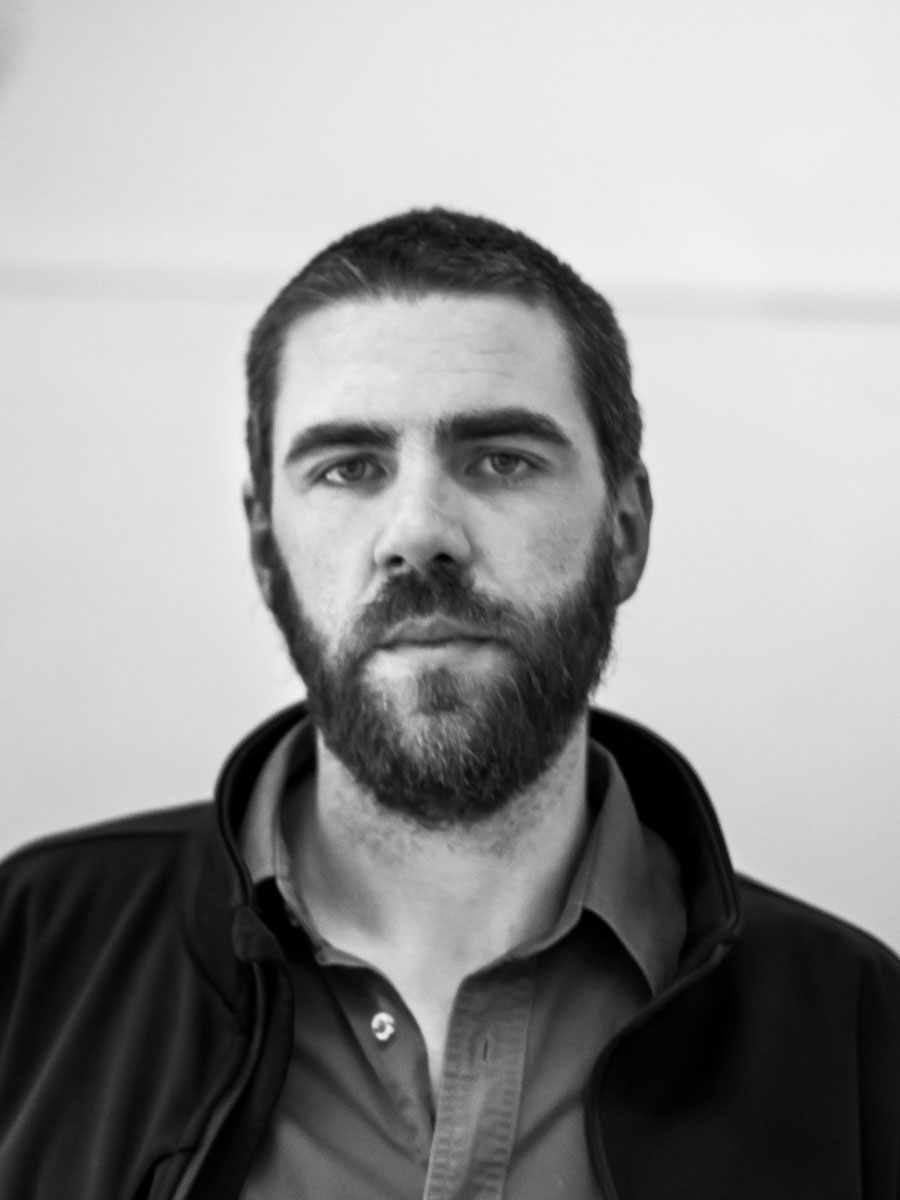
Christopher King is an award-winning director, editor, cinematographer, and video artist originally from Melbourne, Australia. Chris has called Kenya home since 2007 where he co-founded Circle & Square Productions with wife and creative partner Maia Lekow. With a visual style rooted in patience and intimacy, Christopher's work captures the immediacy of real life while interrogating the legacies of history and power. Chris & Maia's debut feature, The Letter (2019), premiered at IDFA and won the African Union Peace Prize at FESPACO. Their second feature, How to Build a Library, premiered at the 2025 Sundance Film Festival and has screened at more than 70 film festivals across 6 continents in its first year. Praised by Screen Daily as "one hell of a protest story", the film is currently rolling out to broadcasters around the world, starting with POV on PBS in the US on August 24th, 2026.
Roger Ross Williams, Executive Producer, How to Build a Library
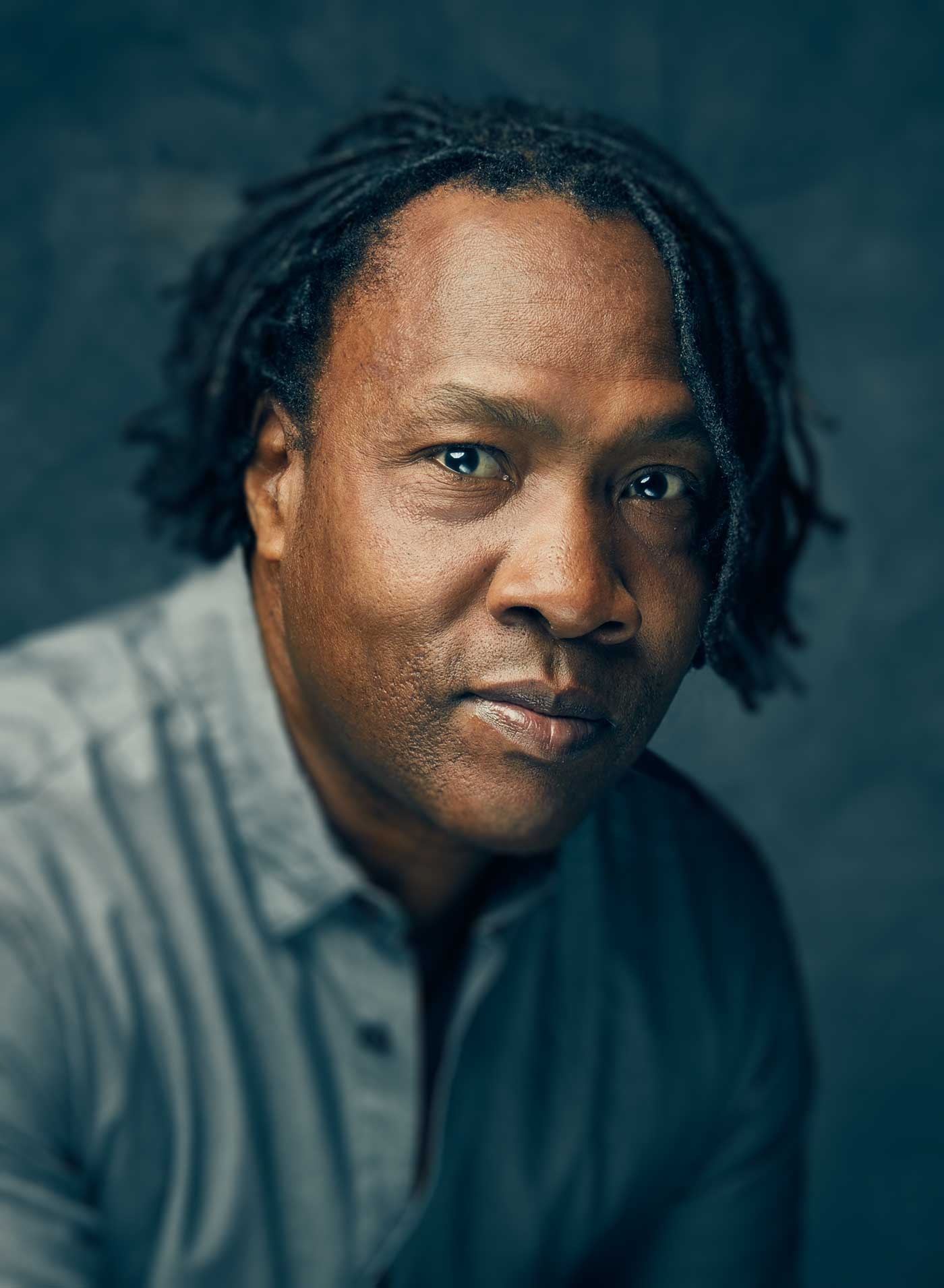
Roger Ross Williams is an Emmy® and Academy Award®-winning documentary filmmaker. His film Music by Prudence won the Academy Award® for Best Documentary Short in 2010. His features include God Loves Uganda (2013), Life, Animated (2016), and Stamped from the Beginning (2023). He is the founder of One Story Up, a production company dedicated to amplifying underrepresented voices through documentary filmmaking.
Geoff Martz, Executive Producer, How to Build a Library
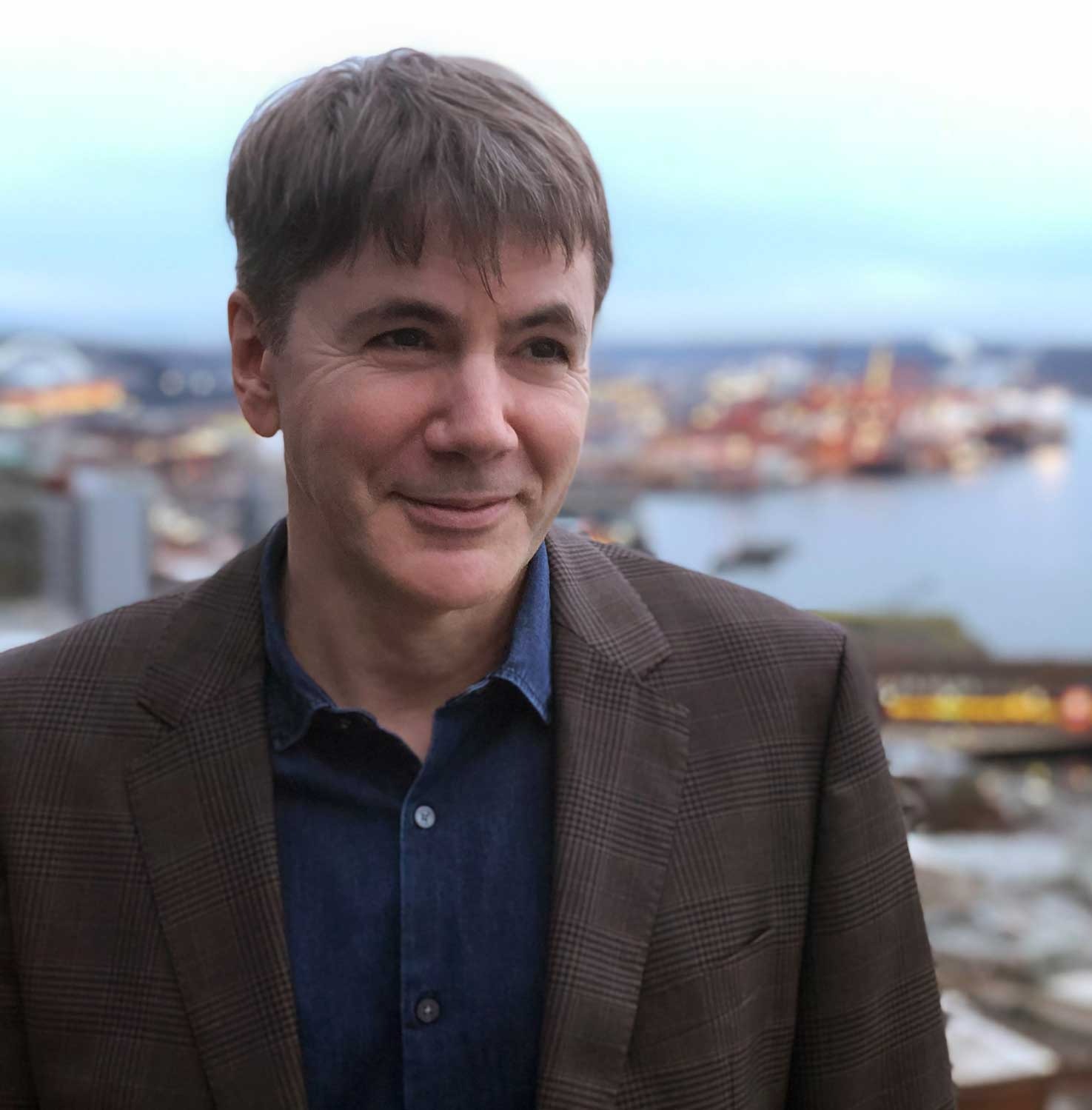
Geoff Martz is an Emmy® Award-winning producer and co-founder of One Story Up. He has produced documentary and non-fiction content across major US networks and streaming platforms over a career spanning more than three decades, with a particular focus on social impact storytelling. He serves as executive producer alongside Roger Ross Williams on How to Build a Library.
About
About POV
Building on five 2026 News & Documentary Emmy® nominations, POV remains one of the most highly-acclaimed documentary series in broadcast and streaming. Recent honors include a 2026 Emmy® win for The Ride Ahead (POV Season 38), a 2024 Emmy® win for Eat Your Catfish (POV Season 37), a 2023 Emmy® win for The Last Out (POV Season 36), and a Peabody Award for While We Watched (POV Season 36), marking the eleventh consecutive year a POV film has been nominated for a Peabody and its 28th win. Additional recognition includes an IDA Documentary Award win for Best Curated Series in 2022 and nominations in that category for three consecutive years (2023, 2024, 2025) and the inclusion of seven POV films in Indiewire’s “The 50 Best Documentaries of the 21st Century”: Faya Dayi (2021), The Mole Agent (2020), Minding The Gap (2018), Cameraperson (2016), The Look of Silence (2015), The Act of Killing (2013) and After Tiller (2013). Across its history, POV films and projects have garnered more than 108 News & Documentary Emmy® nominations and won 53 Emmy Awards®, 29 Peabody Awards, 17 Alfred I. duPont-Columbia University Awards, three Academy Awards® and the first-ever George Polk Documentary Film.
Produced by American Documentary, POV is the longest-running independent documentary showcase on American television presenting films on PBS since 1988 that capture the full spectrum of the human experience, with a long commitment to centering women and people of color in front of and behind the camera. The series has introduced generations of viewers to groundbreaking work from filmmakers including Laura Poitras, Jonathan Demme, Nanfu Wang, Frederick Wiseman, Emiko Omori, Janus Metz Pedersen and Ava DuVernay, and to landmark films such as Tongues Untied (1989), Hearts of Darkness: A Filmmaker's Apocalypse (1992), Rabbit in the Room (1999), Of Civil Wrongs & Rights: The Fred Korematsu Story (2001), Made in L.A. (2007), American Promise (2013), Not Going Quietly (2021), A House Made of Splinters (2022) and the mini-series And She Could be Next (2020). Since its launch in 2018, POV Shorts has expanded the series’ commitment to short-form storytelling, with films including A Broken House recognized on the Academy Award® shortlist. Extending beyond broadcast, POV engages audiences through streaming on PBS platforms, free educational resources and a nationwide community network that sparks dialogue around urgent social issues. Award. Learn more at pbs.org/pov and follow @povdocs on social media.
About PBS
PBS, with more than 330 member stations, offers all Americans the opportunity to explore new ideas and new worlds through television and digital content. Each month, PBS reaches over 36 million adults on linear primetime television, 16 million users on PBS-owned streaming platforms, 56 million viewers on YouTube, and 10 million followers on social media, inviting them to experience the worlds of science, history, nature, and public affairs and to take front-row seats to world-class drama and performances. PBS’s broad array of programs has been consistently honored by the industry’s most coveted award competitions. As the number one educational media brand, PBS KIDS helps children 2-8 build critical skills, enabling them to find success in school and life. Delivered through member stations, PBS KIDS offers high-quality content on TV — including a PBS KIDS channel — and streaming free on pbskids.org and the PBS KIDS Video app, games on the PBS KIDS Games app, and in communities across America. Teachers of children from pre-K through 12th grade turn to PBS LearningMedia for digital content and services that help bring classroom lessons to life. More information about PBS is available at PBS.org, one of the leading dot-org websites on the internet, Facebook, Instagram, or through our apps for mobile and connected devices. Specific program information and updates for press are available at pbs.org/pressroom or by following PBS Communications on X.
About American Documentary, Inc.
American Documentary, Inc. (AmDoc) is a multimedia organization dedicated to creating, identifying and presenting contemporary stories that express opinions and perspectives rarely featured in mainstream media outlets. A catalyst for public culture, AmDoc develops collaborative strategic engagement initiatives around socially relevant content across television, digital platforms and in community settings, from dialogue and feedback to educational opportunities and civic participation. AmDoc’s programming includes its multi–Emmy®, Oscar®, and Peabody Award–winning flagship series POV, the Oscar® and Emmy® winning POV Shorts, and America ReFramed. As part of its ongoing digital expansion, AmDoc is extending the reach of its work through expanded documentary programming on YouTube, connecting independent documentary storytelling with broader audiences and evolving how public media reaches viewers today. Follow @americandocumentary on social media.
Major funding for POV is provided by the Open Society Foundations, The John D. and Catherine T. MacArthur Foundation, the Wyncote Foundation, Acton Family Giving, Park Foundation, and Perspective Fund. Additional funding comes from PBS, the National Endowment for the Arts, New York State Council on the Arts, public funds from the New York City Department of Cultural Affairs in partnership with the City Council, and public television viewers. POV is presented by a consortium of public television stations, including KQED San Francisco, WGBH Boston and THIRTEEN in association with WNET.ORG.